Understanding the psychological effects of casino environments on player behavior
The Allure of Casino Design
The design of a casino plays a crucial role in attracting players and keeping them engaged. Casinos are intentionally created with vibrant colors, elaborate lighting, and engaging layouts that encourage exploration. The sensory experience—ranging from the sounds of slot machines to the sight of flashing lights—triggers emotional responses that can lead to impulsive behavior. This deliberate manipulation of the environment creates a captivating atmosphere that can make it hard for players to leave, even when they’ve lost track of time. The historical evolution of gambling methods showcases how modern innovations—like westace-casino.uk—are reshaping the landscape for players.
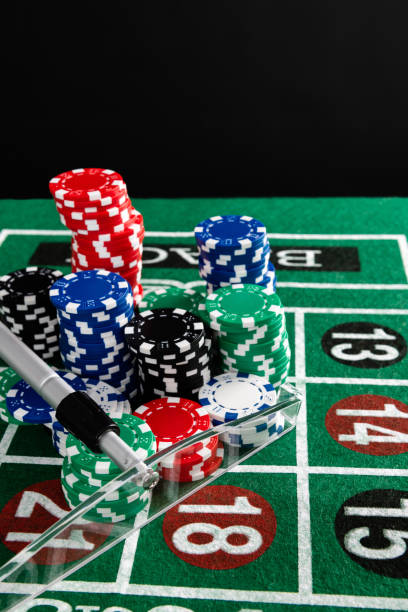
Moreover, the spatial arrangement of games is designed to maximize foot traffic and minimize distractions from exits. By placing high-stakes games toward the back and lower-stakes ones near entrances, casinos encourage longer play sessions. Players may feel drawn into the environment, making it increasingly difficult to resist the urge to keep playing. This orchestrated ambiance can enhance a sense of excitement and euphoria, further promoting a desire to gamble, even when rational thought suggests otherwise.
Additionally, the presence of other players can significantly amplify the psychological effects of the casino environment. Social interactions often enhance the feeling of community and shared experience, which can lead to increased gambling behaviors. The energetic atmosphere created by cheering or celebrating wins can heighten emotions, making players more likely to continue betting in hopes of achieving similar success. This interplay of design and social dynamics reflects the nuanced psychological strategies employed by casinos to influence player behavior.
The Role of Reward Systems
One of the most influential aspects of casino psychology is the reward system employed through various gaming options. These rewards can be immediate, such as winning a small payout, or delayed, like accumulating points towards larger bonuses. Research indicates that the brain’s reward pathways are activated by both types of rewards, leading to increased dopamine levels and reinforcing the desire to continue playing. This biological response can create a cycle where players chase their next win, often overlooking the potential risks involved.
The concept of variable ratio reinforcement, where rewards are given at unpredictable intervals, further complicates the player’s psychological landscape. This unpredictability means players might continue gambling longer in hopes of hitting that next jackpot. The thrill associated with uncertain outcomes can overshadow negative experiences, perpetuating a cycle of gambling behavior that can be difficult to break. The result is a gambling experience characterized by both excitement and anxiety, pushing players to engage despite potential losses.
Additionally, many casinos implement loyalty programs that reward frequent players with perks, further entrenching them in the gambling experience. This creates a sense of belonging and reinforces a commitment to the casino. Players may feel invested in these loyalty programs, leading them to spend more than they initially intended. The psychological effect of feeling valued can lead to compulsive behaviors, as the desire to maintain membership in the “exclusive club” of loyal players overshadows rational financial considerations.
The Impact of Sound and Light
The sensory elements of sound and light in casinos are not mere aesthetics; they are meticulously crafted to influence player behavior. The use of upbeat music and the ringing sounds of winning machines create an atmosphere that evokes excitement and positivity. Such auditory stimuli can mask the negative emotions associated with losses, making players more likely to engage continuously. This deliberate use of sound design helps maintain a high-energy environment that encourages extended play.
Lighting also plays a significant role in creating emotional connections within the casino. Bright, flashing lights can draw attention to certain areas, signaling potential excitement or reward. Conversely, dimmer lights may create a more intimate environment, encouraging players to linger longer. The psychological impact of lighting can shift perceptions of time and space, leading players to lose track of how long they have been gambling. This manipulation of sensory perceptions can significantly influence player behavior, often leading to prolonged gambling sessions.
Furthermore, the absence of clocks and windows in many casinos creates a disorientation that can lead to time distortion. Without external time cues, players can easily lose awareness of how much time has elapsed, leading them to gamble longer than intended. This design feature capitalizes on the immersive experience of the casino, reinforcing the desire to continue playing without the interruption of reality. The combination of sound and light creates a captivating environment that can lead to compulsive gambling behaviors and prolonged engagement.
The Psychological Toll of Gambling
While the casino environment is designed to encourage play, it can also have adverse psychological effects on individuals. Many players experience heightened stress, anxiety, or even depression, particularly when gambling becomes a compulsive behavior. The emotional rollercoaster of wins and losses can lead to significant psychological strain, impacting not only the individual but also their relationships and overall well-being. Understanding these psychological ramifications is crucial for both players and those around them.
The experience of loss in a casino can be particularly damaging, as players may feel intense pressure to recover their losses. This feeling can lead to chasing losses, where individuals double down on their betting in an attempt to regain what they have lost. This cycle of chasing losses is a common pitfall, often leading to further financial and emotional distress. The pressure to continue gambling in hopes of recovering losses can create a vicious cycle that is difficult to escape.
Moreover, many individuals may not recognize the signs of gambling addiction until it has taken a significant toll on their lives. The psychological effects can lead to isolation, financial problems, and strained relationships. It’s essential for players to be aware of their behaviors and for casinos to promote responsible gambling initiatives. Acknowledging the psychological toll of gambling can empower individuals to make more informed decisions, helping them maintain a healthy balance between entertainment and responsibility.

WestAce Casino: A Responsible Gaming Environment
WestAce Casino is committed to providing a safe and enjoyable gaming experience that recognizes the psychological effects of gambling. The platform features a wide range of games while ensuring that players have access to responsible gambling tools. These tools include deposit limits, self-exclusion options, and educational resources about gambling addiction. By prioritizing the well-being of players, WestAce aims to create an environment that fosters responsible gaming habits.
In addition to promoting responsible gambling, WestAce also offers comprehensive customer support available around the clock. This service is designed to assist players with any concerns they may have, whether related to gameplay or responsible gambling practices. The platform’s commitment to player safety is reflected in its secure payment systems, ensuring that players can enjoy their experience without worry.
By fostering a responsible gaming environment, WestAce Casino aims to balance entertainment with player welfare. This commitment helps players recognize their limits and encourages healthy gambling habits. Sign up today and explore the exciting world of WestAce Casino, where your gaming experience can be enjoyable while prioritizing your mental well-being.